
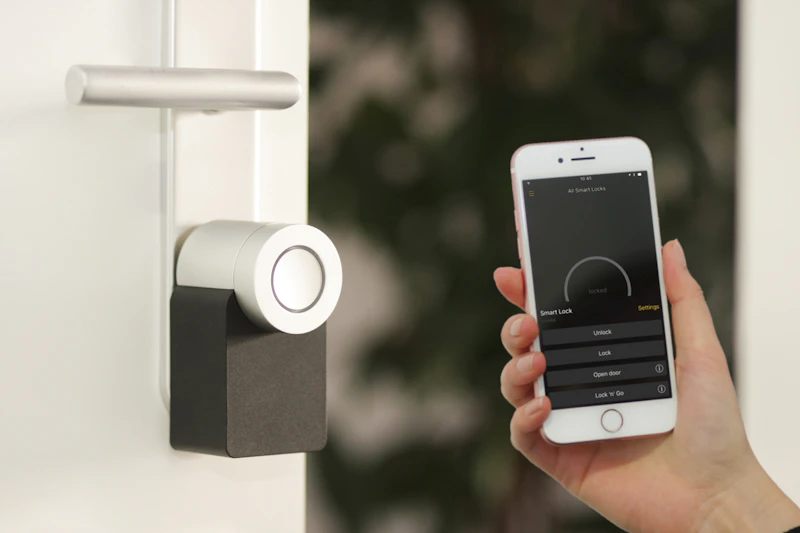
A Building Management System (BMS) is a computer system that controls everything inside a building. It helps owners save energy, keep people safe, and make sure the building runs smoothly every single day. The system watches the temperature in every room. It turns the air conditioning or heating on only when it is needed. This keeps everyone comfortable while wasting less power. Lights can turn off automatically when a room is empty. You can also set schedules so the building stays bright during work hours and saves energy at night. The BMS connects to cameras and door locks. If there is a fire or a break-in, the system alerts the right people immediately to keep the building safe. Managing a large building is hard work. Without a smart system, you have to check every light switch and thermostat by hand. A modern BMS puts all those controls in one place. These are the main parts that make the BMS work together like a single machine. These are like the eyes and ears. They feel the heat, see the light, and check if people are in the room. This is the brain. It takes info from sensors and decides if the fans or lights should turn on or off. These are the hands. They are the actual switches and motors that move valves or click the lights. This is the screen where the manager sits. It shows maps and charts of how the building is doing.
Our Building Management System solutions are designed to improve comfort, efficiency, safety, and centralized control across modern commercial and industrial environments.
Whether it is a high-rise office tower or a large industrial site, we help organizations automate building operations with reliable monitoring, smarter energy use, and better system visibility.
Improve comfort, reduce energy waste, and manage critical building systems from one place. Support controlled environments, reliable ventilation, and continuous monitoring for critical zones. Create a premium guest experience with efficient room comfort, lighting, and service automation. Monitor equipment, optimize power usage, and improve safety across production areas. Maintain consistent comfort and efficient operations across large public spaces and retail zones. Enable intelligent control, automation, analytics, and connected building performance.
Deliver a balanced environment for work and living with energy-efficient systems, secure access, and easy centralized management for residents and facility teams.
Smart Building Control Made Simple

What the System Does!
Climate Control
Smart Lighting
Safety & Security
Why Use a BMS?
Core Components of the System
Sensors
Controllers
Output Devices
User Interface
Built for the Spaces That Need Control the Most
Tailored for Every Facility
Commercial Buildings
Hospitals
Hotels
Factories
Shopping Malls
Smart Buildings
Offices and Residential Towers
Reach Our Engineering Team
Contact our engineering team today for a free consultation and system demo.
Get in Touch
Ready to streamline your regulatory compliance? Contact us today for a consultation.
info@technoapogee.com
Phone
+880 1715-642540
+880 1714-378008
Address
House 226, Road 3, Avenue 1,
Mirpur DOHS, Dhaka 1216,
Bangladesh.
Send Your Inquiry
Our Trusted Clients
Trusted by leading organizations across Bangladesh.







.jfif)





.jfif)